This post may contain affiliate links. This means if you click a link and purchase an item that I recommend, I will receive an affiliate commission at no extra cost to you. All opinions are my own.
If you own a Cricut business, you may wonder whether offering personalized or custom designs is worth the extra time and effort. From custom T-shirts and personalized tumblers to wedding favors and engraved gifts, customization can help your business stand out in a crowded marketplace. However, it can also introduce challenges with pricing, production time, and customer expectations.
The good news is that offering custom Cricut designs for customers can be a profitable strategy when you establish clear boundaries and build a process that works for your business.
Benefits of Offering Personalized Cricut Products
One of the biggest advantages of customization is the ability to offer products that feel special to each customer. Many shoppers are willing to pay more for items featuring their names, favorite colors, meaningful dates, or unique messages.
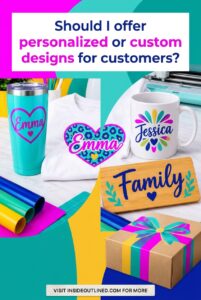
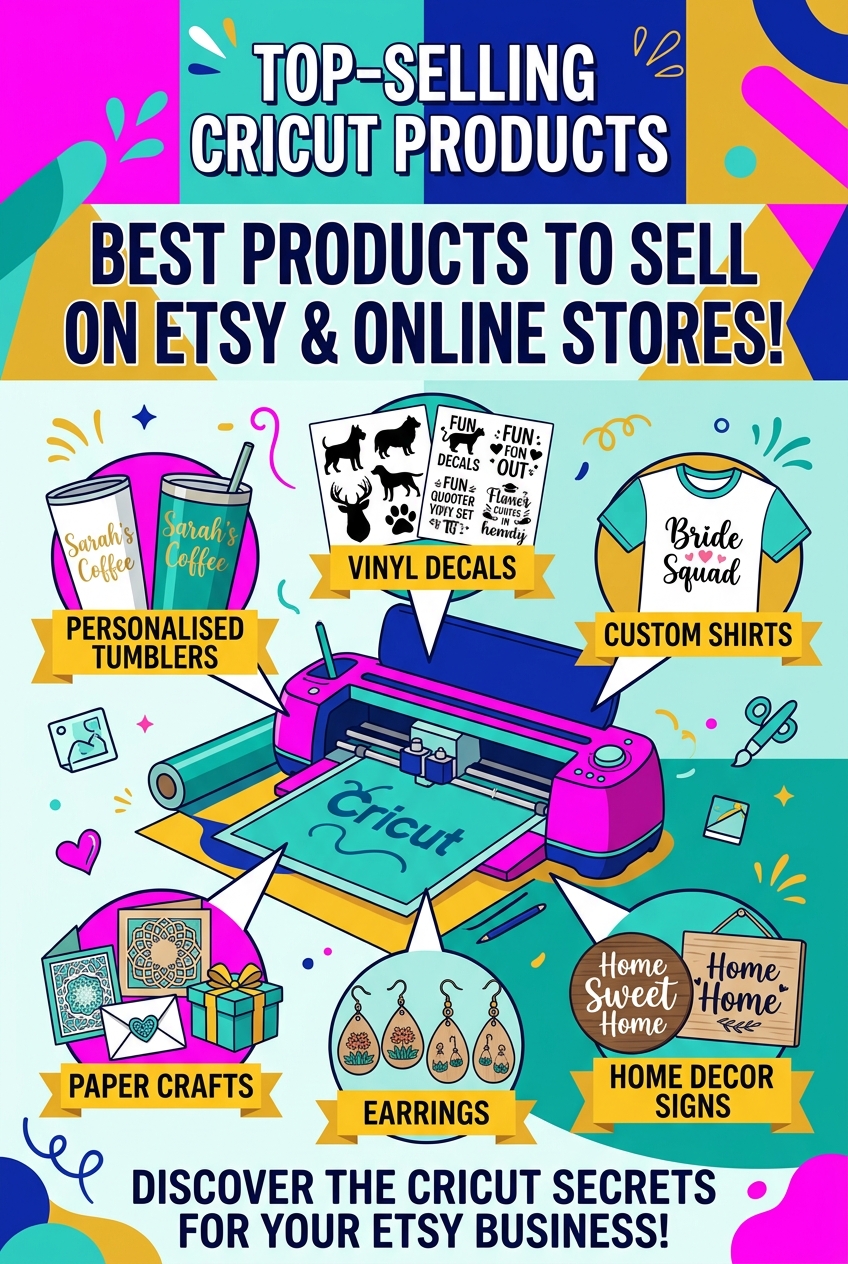
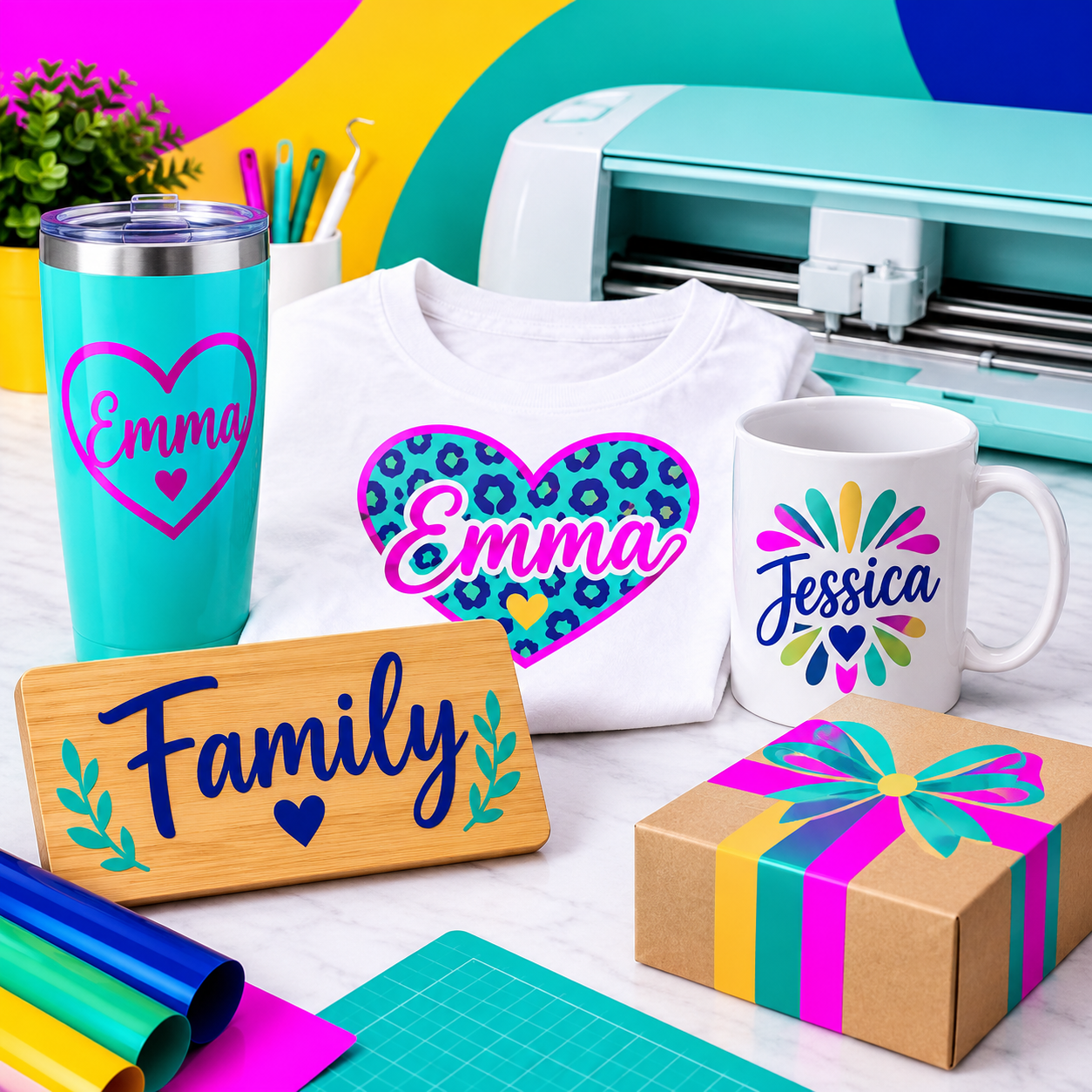
For example, you could sell personalized birthday shirts, custom family reunion T-shirts, wedding welcome signs, baby shower decorations, and customized drinkware. These products give customers something that feels more meaningful than a mass-produced item.
Custom products can also help differentiate your business from competitors selling similar items. Instead of competing solely on price, you can focus on creativity, customer service, and the personal value your products provide.
Visit InsideOutlined for resources and inspiration to help you develop your Cricut business and explore new product opportunities.
Personalized Designs vs. Fully Custom Designs
Before adding customization to your product lineup, understand the difference between personalized and fully custom designs.
Personalized designs typically involve changing a few details on an existing design. Customers might select a name, date, color, or short message. For example, you could offer a birthday shirt with a customer’s chosen name and age.
Fully custom designs require more involvement. Customers may request a completely new layout, a unique illustration, or a product designed around a specific theme. These projects often require additional communication, design work, and revisions.
For most new Cricut businesses, starting with personalized products is a practical approach. You can create a collection of ready-made templates and allow customers to choose from predetermined options. This gives customers flexibility without requiring you to start every order from scratch.
Explore InsideOutlined’s store for resources that can support your creative business journey.
How to Price Custom Cricut Designs
Pricing is one of the most important factors when offering custom products. A common mistake is charging the same price for personalized items as standard products, even when customization requires additional labor.
Your pricing should account for:
- Materials: Include blanks, vinyl, transfer tape, packaging, and other supplies.
- Production time: Calculate the time required to create, personalize, and finish each item.
- Design time: Charge appropriately for creating new designs or making extensive changes.
- Business expenses: Account for equipment, software, platform fees, and other operating costs.
- Profit: Set prices that allow your business to earn money after expenses.
For example, adding a name to an existing tumbler design might justify a small personalization fee. Creating a completely original design for a customer should cost more because it requires additional creative work.
Consider charging a separate design fee for complex requests and limiting the number of revisions included in the original price. This helps protect your time and keeps customers informed about what they are purchasing.
For more ideas on building a sustainable Cricut business, visit InsideOutlined.
Set Clear Rules for Custom Orders
Custom work becomes much easier to manage when customers understand your policies before placing an order.
Create a simple ordering process that explains available colors, fonts, sizes, and personalization options. State how long production takes, whether customers will receive a design proof, and how many revisions are included.
For fully custom projects, require customers to approve the final design before production begins. Make sure your policies explain how you handle cancellations, refunds, and mistakes.
You should also establish boundaries around rush orders. If a customer needs a personalized item immediately, charge an appropriate rush fee when you can accommodate the request. Never promise a turnaround time that you cannot realistically meet.
Should Every Cricut Business Offer Custom Designs?
Not necessarily. Customization is an excellent option for businesses that enjoy creative collaboration, communicate well with customers, and can manage individual requests efficiently.
However, if you prefer producing items in batches or selling digital downloads, fully custom work may slow down your business. You might find that offering a few personalization options provides a better balance between flexibility and efficiency.
Start by testing a small collection of customizable products. Track sales, production time, customer feedback, and profit margins. Use that information to determine which options deserve a permanent place in your shop.
Final Thoughts
Offering personalized or custom designs can help your Cricut business attract customers, increase order values, and stand out from competitors. The key is to price your work correctly, establish clear policies, and choose customization options that fit your production process.
Start small, focus on products customers genuinely want, and refine your approach as you learn what sells. With the right strategy, custom Cricut designs for customers can become a valuable part of a profitable creative business.
Visit InsideOutlined for more Cricut business ideas, resources, and inspiration to help you grow your shop.