This post may contain affiliate links. This means if you click a link and purchase an item that I recommend, I will receive an affiliate commission at no extra cost to you. All opinions are my own.
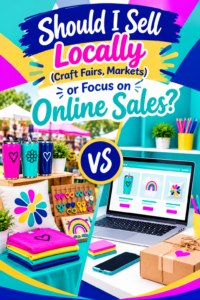
If you are starting a Cricut business, one of the biggest decisions you will face is whether to sell locally at craft fairs and markets or focus on online sales. Both options offer opportunities to make money, attract customers, and grow your business. However, the best choice depends on your products, budget, available time, and long-term goals.
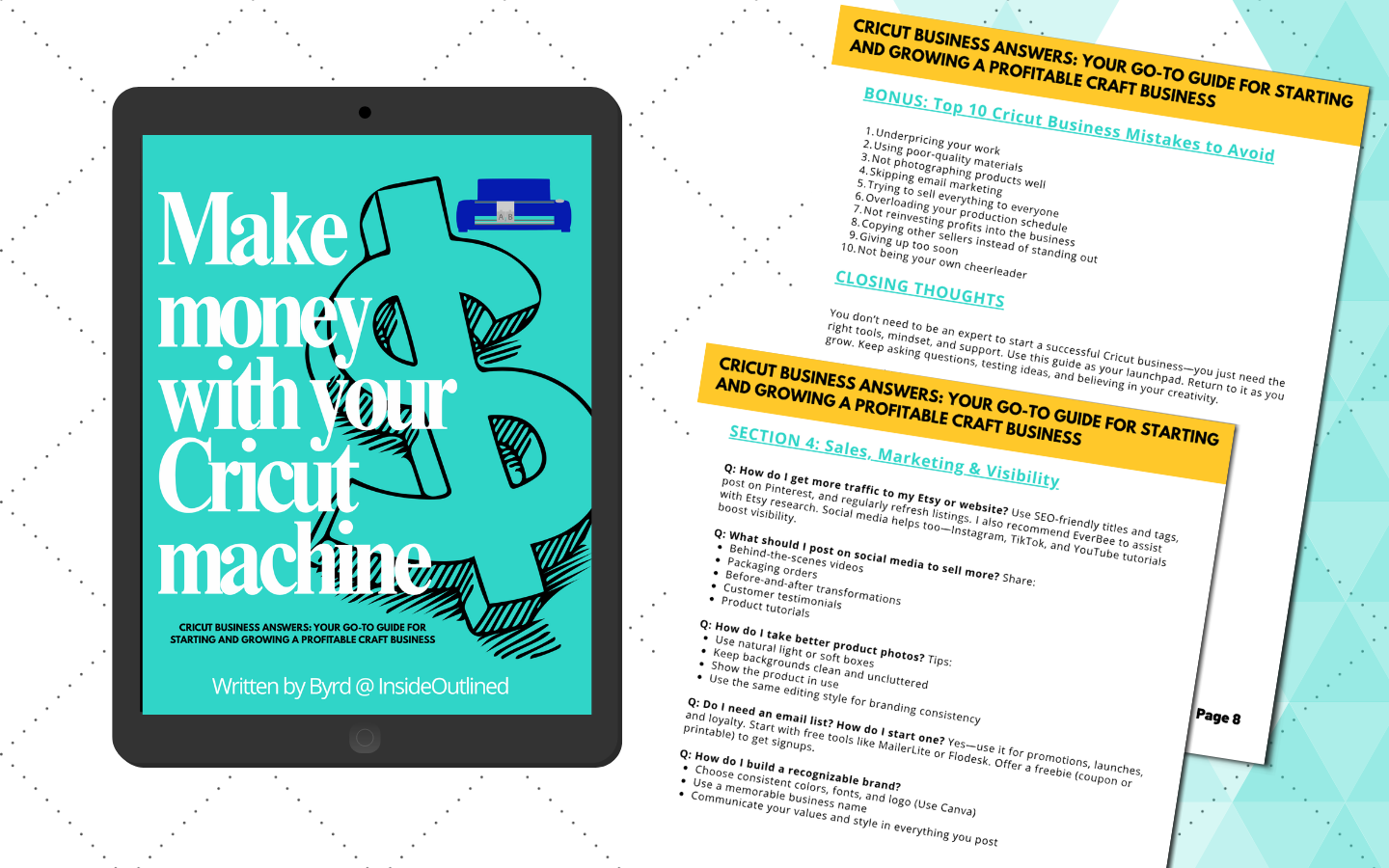
The good news is that you do not necessarily have to choose just one. Understanding the advantages and disadvantages of each option can help you build a profitable business that works for you. You can also explore resources at InsideOutlined to find inspiration and support for growing your Cricut business.
Benefits of Selling Crafts Locally
Selling locally at craft fairs, pop-up shops, and community markets allows you to connect with customers face-to-face. Shoppers can see your products in person, examine the quality, and ask questions before purchasing.
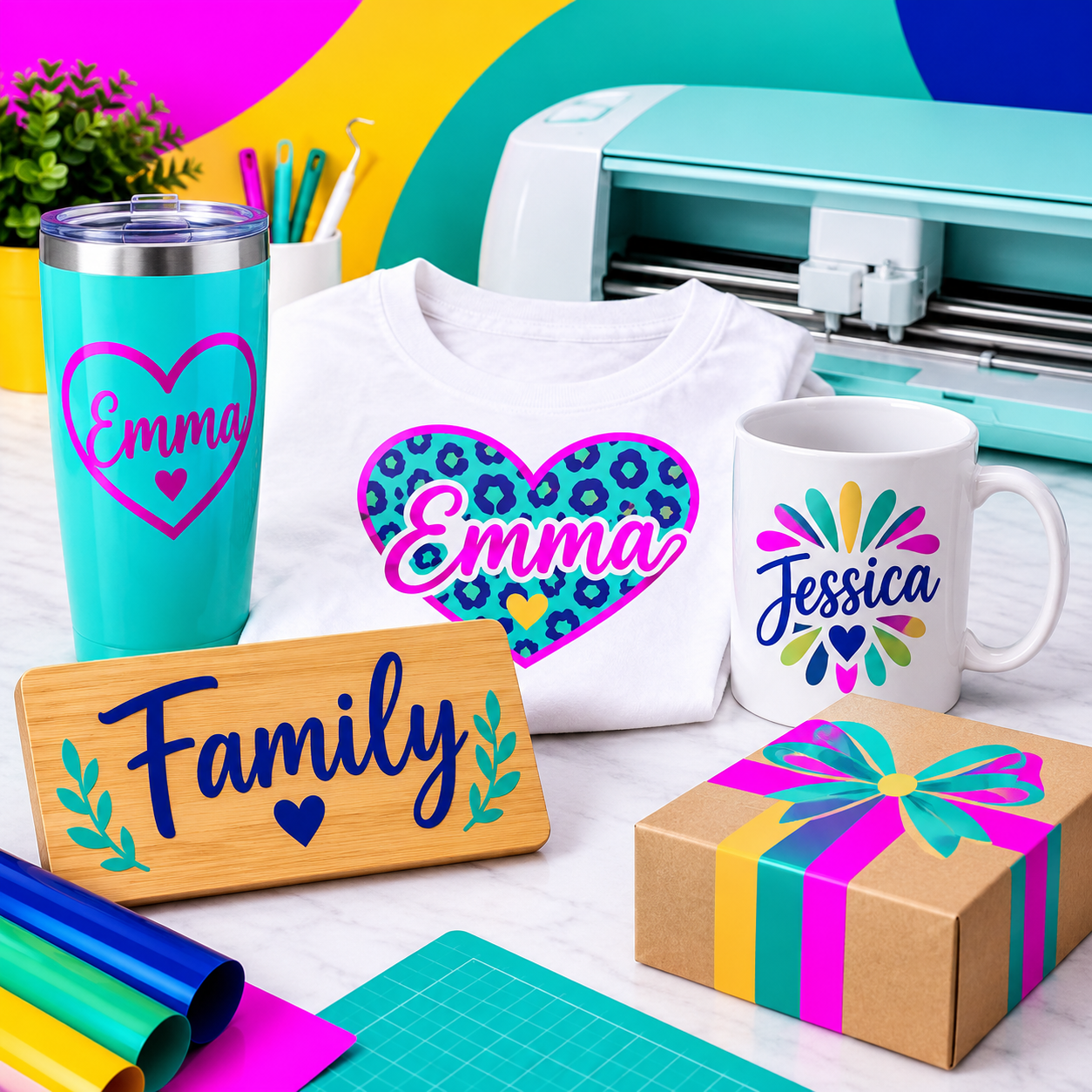
This approach works particularly well for personalized tumblers, custom T-shirts, engraved gifts, seasonal decorations, and other handmade products that customers enjoy seeing up close.
Another advantage is receiving immediate feedback. You can observe which products attract attention, which prices customers accept, and what items shoppers request. This information can help you improve your product selection before investing in larger quantities of materials.
Local selling can also help you build relationships and encourage repeat purchases. Customers who meet you at an event may follow your social media accounts or visit your online store later.
However, craft fairs come with expenses. Booth fees, transportation, displays, packaging, and inventory can reduce your profits. You must also consider the time required to prepare products, set up your booth, and attend the event. A busy market does not automatically guarantee profitable sales.
Before registering for an event, research its audience and calculate how many products you need to sell to cover your costs.
Benefits of Selling Crafts Online
Selling crafts online gives your Cricut business access to customers beyond your local community. You can sell through marketplaces, social media, or your own website without traveling to an event every weekend.
Online sales are especially appealing if you want to build a recognizable brand and create a business that can grow over time. With strong product photos, clear descriptions, and effective marketing, you can attract customers searching for personalized gifts, party decorations, wedding favors, and custom apparel.
An online store also allows customers to browse products outside your normal working hours. Depending on your products and fulfillment process, you may generate sales even when you are not actively promoting your business.
Visit InsideOutlined for resources that can help you develop your product ideas and strengthen your online selling strategy.
Of course, online selling has challenges. You must compete with other sellers, create appealing listings, manage shipping, and attract visitors to your store. Marketplace fees, payment processing, packaging, and advertising can also affect your profit margins.
Having an online store does not guarantee sales. You still need a plan for reaching potential customers through search engine optimization (SEO), Pinterest, social media, email marketing, or other promotional channels.
Which Option Is More Profitable?
The most profitable option depends on your products and expenses.
For example, personalized items that customers want to inspect before purchasing may perform well at local markets. Digital products, SVG files, and lightweight personalized gifts may be easier to sell online because they can reach a broader audience.
Consider these factors before deciding:
- Startup costs: Compare booth fees and inventory expenses with online platform costs and marketing.
- Profit margins: Calculate material costs, labor, transaction fees, packaging, and shipping.
- Available time: Determine whether you prefer attending events or managing online listings and orders.
- Target audience: Identify where your ideal customers prefer to shop.
- Growth potential: Consider which channel supports your long-term business goals.
Use InsideOutlined to explore resources that can help you make smarter decisions as you build your Cricut business.
Should You Sell Locally and Online?
For many Cricut businesses, combining both approaches can be an effective strategy.
Start with a manageable number of local events while maintaining an online storefront. Use craft fairs to test new products, gather customer feedback, and discover which designs attract the most interest. Then feature your bestsellers online to reach customers who cannot attend your events.
You can also display a QR code at your booth that directs shoppers to your online store. Encourage interested customers to follow your social media accounts or join your email list so they can hear about new products and promotions.
Track sales, expenses, and time spent on each channel. After several weeks or months, compare the results to determine where your efforts produce the strongest return.
Final Thoughts
When deciding between selling crafts locally vs online, consider your business goals, product type, budget, and preferred working style. Local markets provide personal connections and immediate feedback, while online sales offer broader reach and opportunities for growth.
You do not need to master every sales channel immediately. Start with the option that best fits your current situation, measure your results, and expand when you are ready.
With a clear strategy, consistent marketing, and profitable pricing, you can build a Cricut business that reaches the right customers and supports your financial goals.