This post may contain affiliate links. This means if you click a link and purchase an item that I recommend, I will receive an affiliate commission at no extra cost to you. All opinions are my own.
Introduction
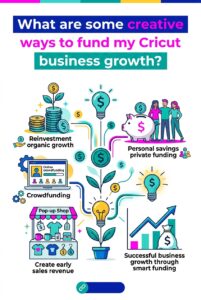
Growing a Cricut business takes more than creativity. Whether you sell personalized tumblers, custom T-shirts, party decorations, or digital SVG files, expanding your business often requires money for supplies, equipment, marketing, and inventory. The good news is that you do not always need a business loan or a large savings account to get started.
Learning how to fund a Cricut business can help you invest in growth without putting unnecessary pressure on your finances. With a little creativity and a strategic plan, you can generate extra income, attract new customers, and reinvest your profits into your next business milestone.
If you need inspiration, visit InsideOutlined for resources to help you develop your crafting skills and build your Cricut business.
1. Reinvest Profits From Your Best-Selling Products
One of the simplest ways to fund your Cricut business growth is to reinvest a portion of your profits. Instead of spending every dollar you earn, set aside a percentage specifically for business expenses.
Start by identifying the products that consistently generate sales. These might include personalized gifts, wedding favors, custom apparel, or seasonal decorations. Focus on promoting products that customers already love rather than investing heavily in untested ideas.
For example, if your Cricut business earns $500 in monthly profit, you could set aside $100 for new supplies, marketing, or equipment upgrades. Over time, these contributions can help you expand your product line without relying entirely on outside funding.
Explore InsideOutlined’s online store for resources that can help you strengthen your Cricut skills and discover new product opportunities.
2. Launch a Preorder Campaign
Preorders allow you to collect customer orders before purchasing all the materials needed to create a product. This strategy can be especially helpful when launching a new collection, seasonal item, or personalized gift.
For example, you could announce a limited-edition holiday shirt collection and open orders for one week. Once you understand the demand, you can purchase the appropriate quantities of blanks and materials.
Be transparent about production timelines, shipping dates, and refund policies. Make sure you can fulfill the orders as promised, and check the payment platform’s rules before using customer payments to cover production costs.
Preorders help you test product demand while reducing the risk of investing in inventory that might not sell.
3. Offer Digital Products Alongside Physical Crafts
Your Cricut machine can help you create physical products, but your design skills may also generate income through digital products. Consider selling original SVG files, printable party decorations, editable templates, or digital crafting guides.
Digital products can be attractive because they do not require packaging or shipping for each sale. However, you will still need to account for design time, platform fees, marketing, and customer support.
You can use the income from digital downloads to purchase materials, upgrade equipment, or promote your physical products.
Visit InsideOutlined for additional crafting inspiration as you explore ways to diversify your revenue.
4. Create a Craft Workshop or Paid Tutorial
If you have experience using Cricut Design Space, creating custom projects, or troubleshooting crafting problems, consider teaching what you know.
You could offer a beginner Cricut workshop, a virtual crafting class, or a paid tutorial that walks customers through a specific project. You can also organize small group sessions where participants pay to learn a new skill.
For example, a workshop with eight attendees paying $25 each would generate $200 in gross revenue before expenses.
Promote your class through email newsletters, social media, and your existing customer network. Teaching can help you earn additional income while building relationships with potential customers.
5. Run a Limited-Time Product Bundle
Bundles encourage customers to purchase multiple items together. Combine complementary products, such as personalized tumblers with matching keychains or party decorations with custom favor tags.
You could also create a digital bundle featuring several original SVG designs at a special price.
Choose products with healthy profit margins, and make sure the bundle price covers materials, labor, packaging, platform fees, and other expenses. A successful bundle can increase your average order value and generate money for future investments.
Share your latest products and business resources through InsideOutlined’s online store as part of your broader growth strategy.
6. Apply for Small Business Grants and Local Opportunities
Grants, maker programs, and community business initiatives may provide funding without requiring repayment. Research local economic development organizations, small business centers, community foundations, and programs supporting entrepreneurs.
Read eligibility requirements carefully, prepare a realistic budget, and explain how the funding will help your business grow. Avoid programs that charge suspicious upfront fees or guarantee grant approval.
Although grants can be competitive, they may provide an additional source of funding worth exploring.
7. Partner With Other Small Businesses
Collaborating with complementary businesses can help you reach new customers without spending heavily on advertising.
For example, a Cricut business specializing in custom party favors could partner with event planners, bakers, photographers, or balloon decorators. You might offer referral discounts, create collaborative product packages, or supply personalized items for their customers.
Choose partners whose audiences match your ideal customers, and agree on pricing, responsibilities, and payment terms before starting a project.
Conclusion
Funding your Cricut business growth does not have to mean taking on significant debt. Reinvesting profits, accepting preorders, selling digital products, teaching workshops, creating bundles, exploring grants, and partnering with other businesses can help you build a stronger financial foundation.
Start with one strategy that fits your current budget and skills. Track your revenue and expenses, measure the results, and reinvest in the opportunities that deliver the best return.
For more inspiration, practical crafting resources, and ideas to support your entrepreneurial journey, visit InsideOutlined and take the next step toward growing your Cricut business.