This post may contain affiliate links. This means if you click a link and purchase an item that I recommend, I will receive an affiliate commission at no extra cost to you. All opinions are my own.
Primary SEO Keyword: how to sell digital and physical products together
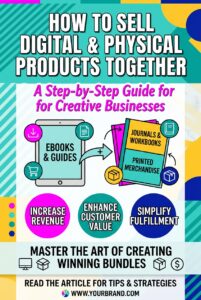
If you’re building a creative business, you don’t have to choose between selling digital products and physical products. In fact, selling both can give your business more ways to make money while giving your customers more options.
A Cricut seller, for example, could sell finished shirts and personalized gifts while also offering SVG files, templates, printables, and business resources. The combination can create a stronger product ecosystem and help you serve customers at different price points.
If you’re wondering how to sell digital and physical products together, Payhip can be an option worth exploring. You can check out Payhip here and see how you can build an online store around your products.
Why Sell Digital and Physical Products Together?
Selling both types of products gives customers different ways to buy from you.
Physical products are tangible. Customers may purchase a finished shirt, mug, tumbler, sign, party decoration, or personalized gift.
Digital products are delivered electronically. These might include SVG files, Canva templates, printable planners, tutorials, ebooks, or downloadable business resources.
Having both allows you to reach customers with different needs.
Someone who doesn’t want to make a shirt themselves might purchase your finished product. Another customer may already own a cutting machine and prefer to purchase the SVG file and make it themselves.
You can serve both customers without having to create an entirely separate brand.
Choose Products That Work Together
The best way to sell digital and physical products together is to create products that complement each other.
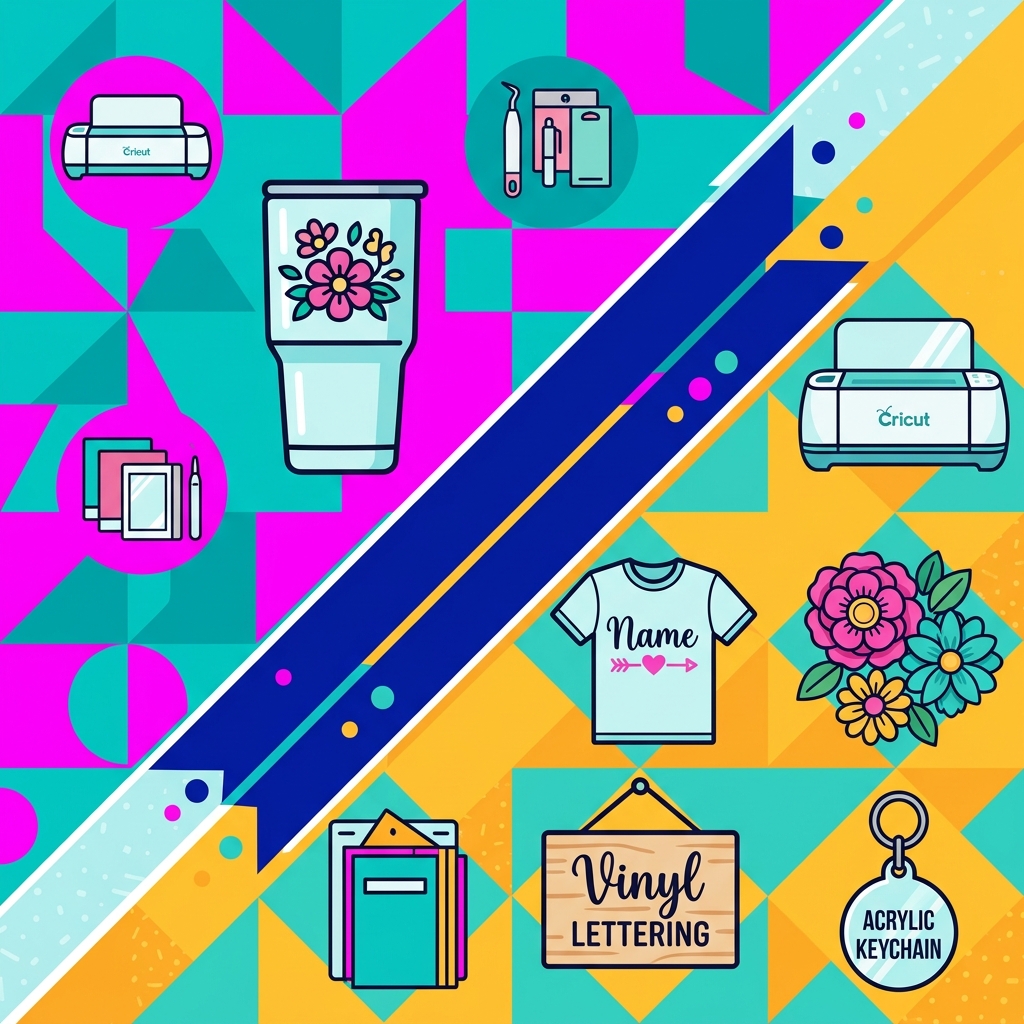
For example, if you sell Cricut products, you could offer:
- Finished T-shirts
- SVG design files
- Printable party decorations
- Digital invitations
- Personalized tumblers
- Craft templates
- Crafting tutorials
- Business worksheets
Think about your customer’s journey.
If someone purchases one of your physical products, is there a digital product that could help them create something similar? If someone purchases your SVG file, could they also purchase a finished version?
Creating these connections can help you increase the value of every customer.
Use Payhip for Your Digital Product Store
One of the biggest challenges for creators is finding a simple way to sell digital products online.
Payhip is designed for creators who want to sell products through an online storefront. You can learn more about Payhip here.
Instead of relying entirely on social media messages to sell your digital files, you can direct customers to a dedicated product page and checkout experience.
This can make your business look more professional and give customers a clearer buying process.
Create Separate Product Categories
When selling digital and physical products together, organization matters.
Customers should immediately understand what they’re purchasing.
Consider creating categories such as:
Digital Products
- SVG files
- Templates
- Printables
- Ebooks
- Tutorials
Physical Products
- Shirts
- Tumblers
- Signs
- Gifts
- Party decorations
Clear organization reduces confusion and makes your store easier to navigate.
If you’re setting up an online store for your creative business, explore Payhip here.
Create Product Bundles
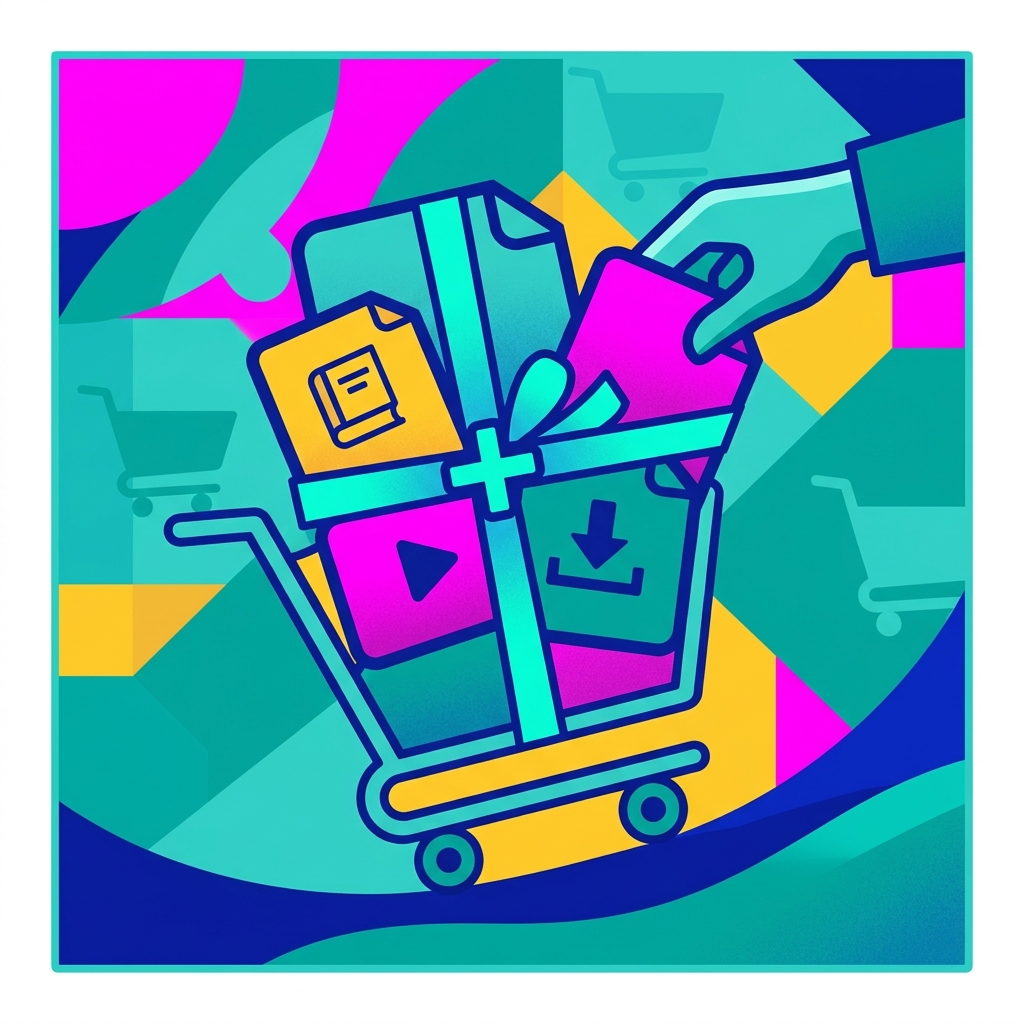
Another strategy is combining digital and physical products into special offers.
For example, you could sell a Cricut T-Shirt Starter Package that includes a finished shirt plus the digital design file.
Or you could create a party package containing physical decorations along with printable files customers can use at home.
Bundles can make your offers feel more valuable while giving customers multiple products in one purchase.
This is especially useful when your digital and physical products solve different parts of the same problem.
Use Digital Products to Increase Physical Product Sales
Digital products can also be used as an entry point into your physical products.
Imagine that you sell personalized shirts.
You could offer an inexpensive SVG related to one of your popular designs. Customers who purchase the SVG may later discover that you also sell finished shirts.
The digital product becomes a way for new customers to experience your brand without making a larger purchase immediately.
You can also use digital products as bonuses.
For example, a customer who purchases a physical crafting kit could receive a downloadable project guide or bonus SVG files.
If you’re interested in creating digital products as another revenue stream, get started with Payhip here.
Use Physical Products to Promote Digital Products
The strategy works in reverse, too.
Suppose someone purchases an SVG from you. You can introduce them to related physical products.
If your SVG is designed for T-shirts, you might also sell a finished shirt featuring the design.
If you sell a printable party invitation, you could offer matching physical decorations.
The goal isn’t to pressure customers into buying more. Instead, you’re showing them related products they may genuinely find useful.
Price Digital and Physical Products Differently
One important thing to remember is that digital and physical products have very different cost structures.
A physical product may require:
- Blank materials
- Vinyl or sublimation supplies
- Packaging
- Shipping supplies
- Equipment
- Labor
- Shipping costs
- Marketplace or payment fees
Digital products generally don’t have the same per-order material and shipping costs.
That means you should calculate your pricing separately.
Don’t assume that because a digital file costs less to produce, it should automatically be extremely cheap. Your knowledge, creativity, time, and the value of the finished resource all matter.
Likewise, make sure your physical product price covers your actual expenses and profit margin.
Make Your Store Easy to Understand
When customers visit your store, they shouldn’t have to guess whether something is digital or physical.
Clearly state what the customer receives.
For digital products, explain:
- The file format
- How the files are delivered
- What software may be required
- Whether the product is editable
- Any usage or licensing restrictions
For physical products, explain:
- What is included
- Available sizes or variations
- Processing time
- Shipping information
- Customization options
Clear product descriptions can prevent misunderstandings and reduce customer-service questions.
Promote Both Product Types Together
Your marketing content doesn’t have to treat your digital and physical businesses as completely separate businesses.
Instead, create content around the problem you’re solving.
For example, if you create a Valentine’s Day shirt, make content showing the finished shirt. Then mention that customers who want to make their own version can purchase the digital design.
This gives your audience two options:
Want it made for you? Buy the physical product.
Want to make it yourself? Buy the digital file.
This approach works especially well for Cricut businesses because crafters often fall into both categories.
Use Social Media to Drive Traffic to Your Store
Instagram, Pinterest, TikTok, Facebook, and YouTube can all help you showcase both physical and digital products.
Instead of simply posting, “Buy my product,” create useful content.
Show:
- How you make the physical product
- How a digital file works
- Behind-the-scenes footage
- Finished project ideas
- Tutorials
- Before-and-after transformations
- Product demonstrations
- Packaging videos
Then direct interested customers to your store.
Having a dedicated storefront can make it easier to turn your social media audience into paying customers. Explore Payhip here.
Start Small
You don’t need 100 products to begin selling digital and physical products together.
Start with a small collection.
For example, choose:
- 3 physical products
- 3 digital products
- 1 bundle
Then see what customers respond to.
Pay attention to which products receive the most clicks, purchases, questions, and repeat orders.
Once you understand what your audience wants, you can expand your product line strategically instead of creating products simply because you think you need more inventory.
Final Thoughts
Learning how to sell digital and physical products together can give your creative business more opportunities to generate revenue.
You can serve customers who want a finished product while also reaching customers who prefer to DIY. You can create bundles, cross-promote products, and use digital products as an affordable entry point into your brand.
The key is to make the two sides of your business work together rather than treating them as completely separate businesses.
Start with a few complementary products, organize your store clearly, price each product based on its costs and value, and promote your products with helpful content.
If you’re ready to add digital products to your creative business, take a look at Payhip here and start building a storefront where you can grow your online product business.