This post may contain affiliate links. This means if you click a link and purchase an item that I recommend, I will receive an affiliate commission at no extra cost to you. All opinions are my own.
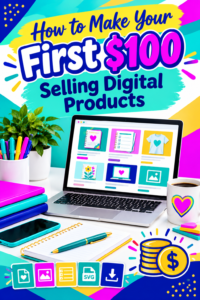
Making your first $100 selling digital products can feel like a huge milestone—and it is. Your first $100 proves that someone is willing to pay for something you created, packaged, or know how to provide.
The good news is that you don’t need hundreds of products or thousands of followers to get started. You need a useful product, a clear audience, and a simple strategy. Here’s how to make your first $100 selling digital products.
1. Choose One Digital Product to Sell
The first step is choosing a digital product that solves a specific problem. Instead of trying to create everything at once, start with one product.
Beginner-friendly digital products include:
- SVG files
- Printable planners
- Checklists
- Templates
- Ebooks
- Guides
- Worksheets
- Canva templates
- Budget spreadsheets
- Craft patterns
Think about what your target customer needs help with. A product that saves someone time, teaches a skill, or makes a task easier has a clear reason for someone to buy it.
2. Set a Simple $10-$25 Price
You don’t necessarily need a $100 product to make your first $100.
For example:
- 10 sales at $10 = $100
- 5 sales at $20 = $100
- 4 sales at $25 = $100
This makes your goal much more manageable.
When deciding on your price, consider the value of the product, how much time it saves your customer, and what similar products are selling for. Payhip recommends pricing based on the value your product delivers rather than simply choosing an arbitrary number.
3. Create a Simple Online Store
Once your product is ready, you need somewhere customers can purchase it.
Payhip is one option for setting up a digital product store without needing to build a complicated website from scratch. You can upload your product, add your description and price, and make the product available for customers to purchase.
Payhip also supports automatic delivery of digital products after purchase, which can simplify fulfillment.
👉 Start your digital product store with Payhip
4. Focus on One Traffic Source
Creating a product doesn’t guarantee sales. People have to find it.
Instead of trying to master every social media platform, choose one traffic source and become consistent.
For example:
- Pinterest for searchable content
- Instagram for Reels and educational posts
- TikTok for short-form videos
- Google for SEO blog content
- Email marketing for an existing audience
Create content that answers questions your potential customers are already asking. Then naturally direct interested people to your product.
5. Make Your Product Easy to Understand
Your product listing should immediately tell customers what they’re buying and why they need it.
Include:
What is it?
Clearly explain the product.
Who is it for?
Tell your ideal customer exactly who can benefit.
What problem does it solve?
Focus on the result instead of simply listing features.
What does the customer receive?
Be specific about the files, formats, pages, templates, or bonuses included.
A strong product description can make the difference between someone scrolling past your offer and clicking the buy button.
6. Promote Your Product Consistently
You don’t have to constantly tell people, “Buy my product!”
Instead, create helpful content related to what you’re selling.
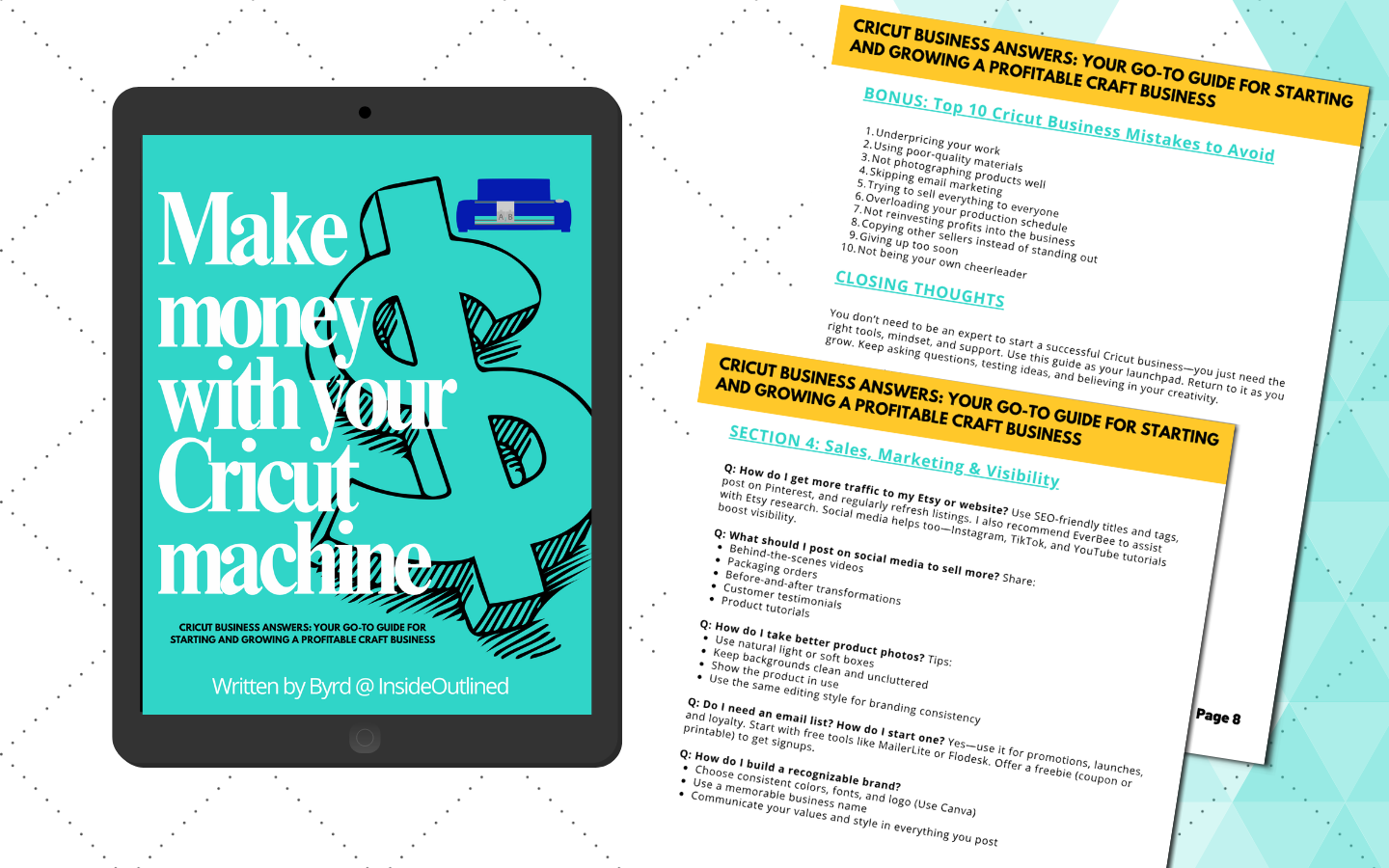
For example, if you sell Cricut SVG files, create posts showing project ideas, design tips, tutorials, mistakes to avoid, and finished projects. Your content attracts the right audience while your product provides the next step.
You can also use Payhip as the destination for your traffic so customers have an easy place to purchase your digital products.
7. Turn Your First $100 Into Your Next $100
Once you make your first few sales, don’t immediately create ten new products.
Look at what customers responded to.
Which product received the most attention? Which posts generated clicks? What questions are customers asking?
Use that information to improve your existing offer or create a related product.
Your first $100 isn’t the finish line. It’s valuable information that can help you build a repeatable digital product business.
Final Thoughts
Learning how to make your first $100 selling digital products doesn’t require a complicated business model. Start with one useful product, price it appropriately, create a simple storefront, and consistently put your offer in front of the right audience.
If you need a beginner-friendly place to sell your products, you can get started with Payhip here.
Your goal isn’t to build a massive digital product empire on day one. Your first goal is much simpler: make your first sale, learn from it, and keep going.