This post may contain affiliate links. This means if you click a link and purchase an item that I recommend, I will receive an affiliate commission at no extra cost to you. All opinions are my own.
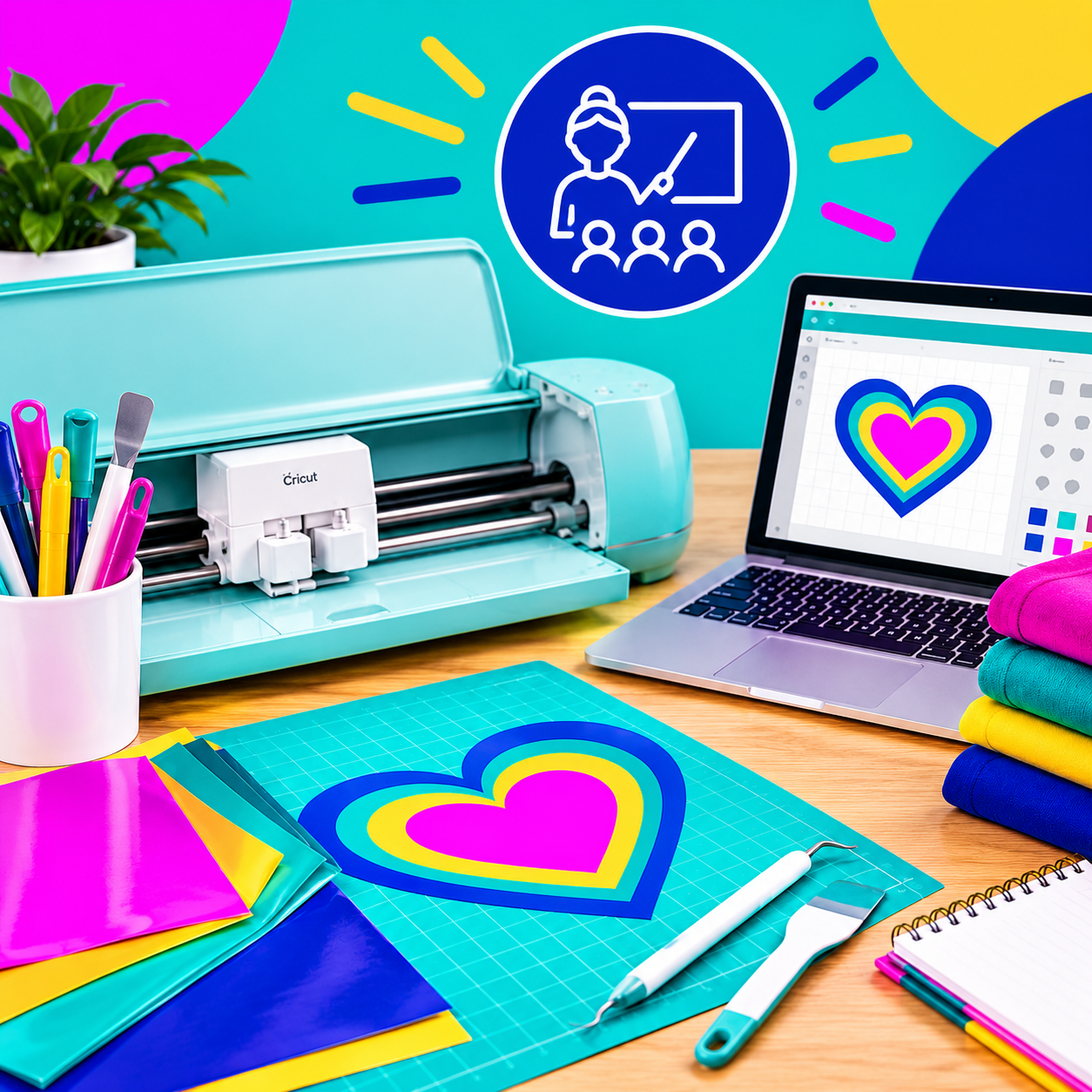
If you already know how to use a Cricut machine, you could turn your crafting skills into another source of income by teaching others. Offering Cricut classes for beginners can help you grow your crafting business, attract new customers, and earn money beyond selling physical products.
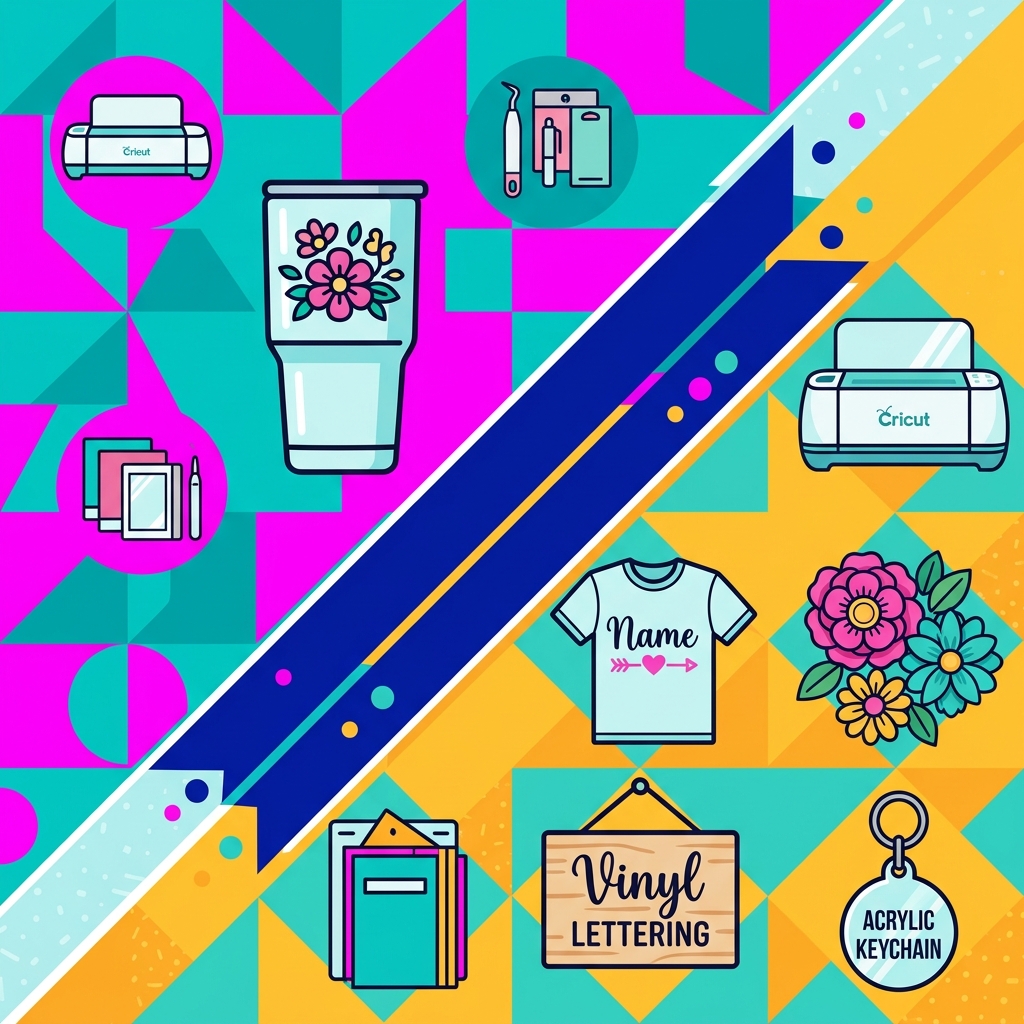
Many people purchase Cricut machines because they want to create custom shirts, personalized gifts, vinyl decals, and party decorations. However, beginners often struggle with Cricut Design Space, choosing materials, and completing their first projects. Your knowledge can help them overcome these challenges while creating a profitable business opportunity.
Before expanding into teaching, consider your goals, your audience’s needs, and how classes or tutorials could fit into your current business.
Why Offer Cricut Classes for Beginners?
One of the biggest benefits of offering Cricut classes for beginners is the ability to earn money from skills you already have. Instead of relying entirely on physical product sales, you can monetize your crafting knowledge.
For example, you could teach students how to set up their Cricut machines, upload designs, cut vinyl, personalize gifts, or navigate Cricut Design Space. You could also offer specialized workshops covering sublimation, paper crafts, and starting a Cricut business.
Teaching can establish you as a trusted resource in the crafting community. Students who enjoy your classes may return for advanced lessons, private tutorials, project templates, and additional resources.
You can also direct students to the InsideOutlined online store for crafting inspiration and resources to support their creative projects.
Should You Offer In-Person Classes or Online Cricut Tutorials?
Choosing the right teaching format depends on your budget, available time, and target audience.
In-person Cricut classes: Hands-on workshops allow you to demonstrate techniques, answer questions, and help students troubleshoot problems. You could host classes at craft studios, community centers, local events, or other suitable venues.
Online Cricut tutorials: Recorded lessons allow students to learn at their own pace. You can create videos covering specific skills and sell access through your website. Once created, these tutorials can potentially generate repeated sales without requiring you to teach every session live.
Live virtual classes: These combine online convenience with real-time interaction. Students can follow your demonstrations, ask questions, and receive guidance as they complete projects.
You do not need to offer every format immediately. Start with the option that best matches your resources and your customers’ preferences.
What Cricut Classes Should You Teach?
Before creating a class, research what your audience wants to learn. Beginners need different instruction than experienced crafters looking to improve their techniques.
Consider these Cricut class ideas:
- Cricut basics for beginners: Teach machine setup, essential tools, and how to complete a first project.
- Cricut Design Space tutorials: Explain uploading images, working with text, resizing designs, and preparing projects for cutting.
- Personalized product workshops: Demonstrate how to make custom shirts, tote bags, tumblers, and gifts.
- Advanced crafting techniques: Cover layered vinyl, intricate designs, and material selection.
- Cricut business classes: Help students understand product pricing, profitable product ideas, and selling handmade items.
Ask your social media followers which Cricut skills they find most challenging. Their answers can help you create useful classes that attract paying students.
Visit https://store.insideoutlined.com/ for additional crafting inspiration as you plan your lessons and projects.
How Much Should You Charge for Cricut Classes?
Your pricing should reflect the value of your instruction, class length, preparation time, materials, and business expenses.
For example, you might test an introductory virtual class for $15–$30 per student or a hands-on workshop for $40–$75 per student. These are illustrative starting points, not guaranteed market rates. Adjust your prices according to demand, location, class format, and included supplies.
Imagine ten students each pay $30 for a workshop. You would generate $300 in revenue before expenses and taxes. Your actual profit depends on costs such as supplies, venue rental, payment processing, and preparation time.
You could also offer private lessons at premium rates or bundle multiple tutorials into a larger course.
How to Promote Your Cricut Classes
Promote your Cricut classes through Instagram Reels, TikTok videos, Pinterest, and your email list. Share short demonstrations that solve common crafting problems and show potential students what they will learn.
Clearly explain who each class is for, what students will create, which supplies they need, and whether they must bring their own Cricut machine. Share student feedback and finished projects with permission to build trust.
Start with one small class, collect feedback, and improve your lessons before expanding your offerings.
Final Thoughts
Offering Cricut classes for beginners can be an effective way to diversify your crafting business and generate income from your expertise. Whether you choose in-person workshops, live virtual sessions, or recorded tutorials, focus on helping students achieve specific results.
Start with a topic you know well, test demand with a small class, and use student feedback to improve your teaching. With thoughtful planning, Cricut education can become a valuable addition to your business.